Hi, I'm Raven.
I'm a game developer and 3D artist with a passion for VR. My past projects have included live service multiplayer games, UGC creation tools, dynamic physics interaction systems, real-world sensor integration, and more.I love working on diagetic UI and games that integrate physics in unique ways.
Shoot me an email if you want me on your team! Let's chat!
Portfolio

S.E.R.T
(December 2025 - Present)S.E.R.T is a combination tactical FPS and medical simulator I am currently developing for Windows, Mac, and Linux. It is multiplayer co-op through Steam. You play as members of the Supernatural Emergency Response Team (hence the name), either as SWAT-adjacent officers or as tactical paramedics. You respond to emergency calls involving supernatural entities, treat the people who have been injured, fight off the entity, and evacuate the patients.
One of my favorite aspects of S.E.R.T is the medical system. It includes things like generating realistic EKG data on the fly, a pharmacological simulation for administering medications to patients, wound packing, tourniquets, and more.
Sosig Surgeon
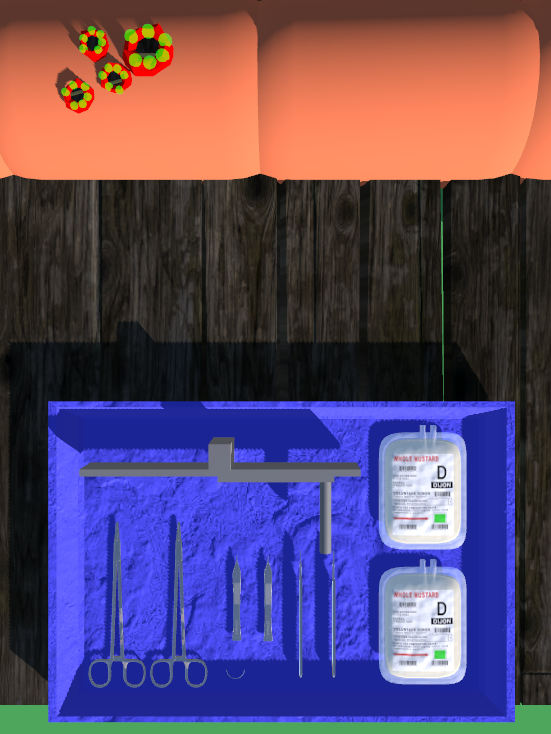
(July 2025)Sosig Surgeon is a prototype I developed over a weekend as a passion project, after becoming enamored with Hotdogs, Horseshoes, and Hand Grenades. It is a physics-based VR game about performing anatomically-correct surgery... on hot dogs.
In order to create properly sized and adaptable incisions, I needed to dynamically generate a "mask" mesh which hides the skin behind it. Incisions can be created with a scalpel, expanded using a Finochietto retractor, and closed using a suture, Adson forceps, and a needle driver. Both the suture and the tubing for the mustard transfusion are fully simulated using Verlet integration.
Simulator Hardware Demo
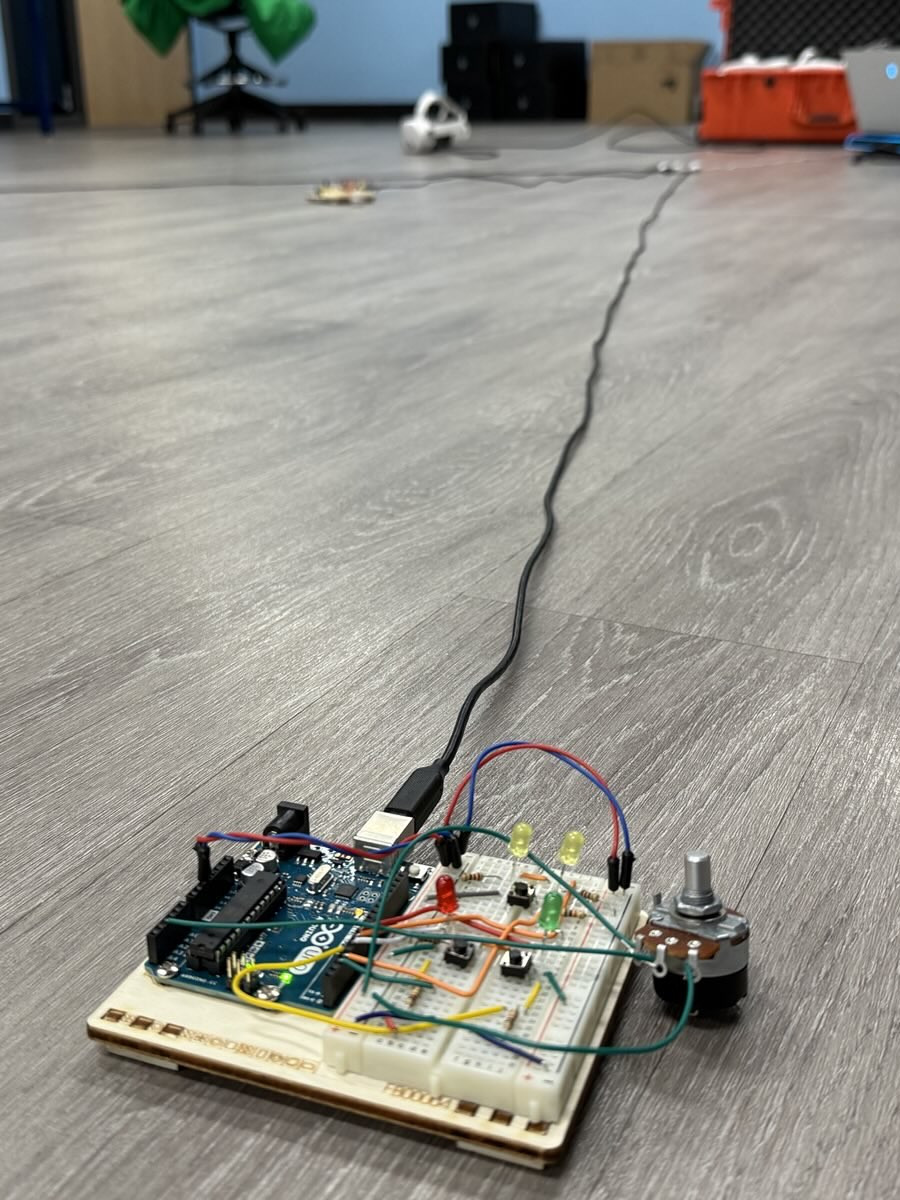
(May 2025)Near the end of my degree at Cochise College, I created a hardware project as a demonstration for a company producing ambulance, police cruiser, and helicopter simulators for the college.
This project involved an array of 3 sensors, representing vehicle jacks, for determining the 3D orientation of a vehicle under repair. In order to fulfill the goals of the demo, 3 standalone VR headsets were simultaneously connected to a central server which managed the sensors. All 3 users were operating in a shared space, with the sensor inputs mapped to an imitation of the object being tracked.

Adjacency
(May 2025)Adjacency was a tech demo I created in the last week of my degree with Cochise College. It was a UGC-centric multiplayer social VR game, set in a near-infinite grid of 10x10 meter claimable chunks. Adjacency also supported hosting servers from in-game, even on standalone (tested and performant on Meta Quest 1).
The largest challenge while working on Adjacency was supporting a wide array of shapes, materials, textures, and configuration, while still keeping things in sync across individual devices and entirely separate platforms. While Adjacency was not completed and shipped, a write-up on the technical details is available here.
VRD 264
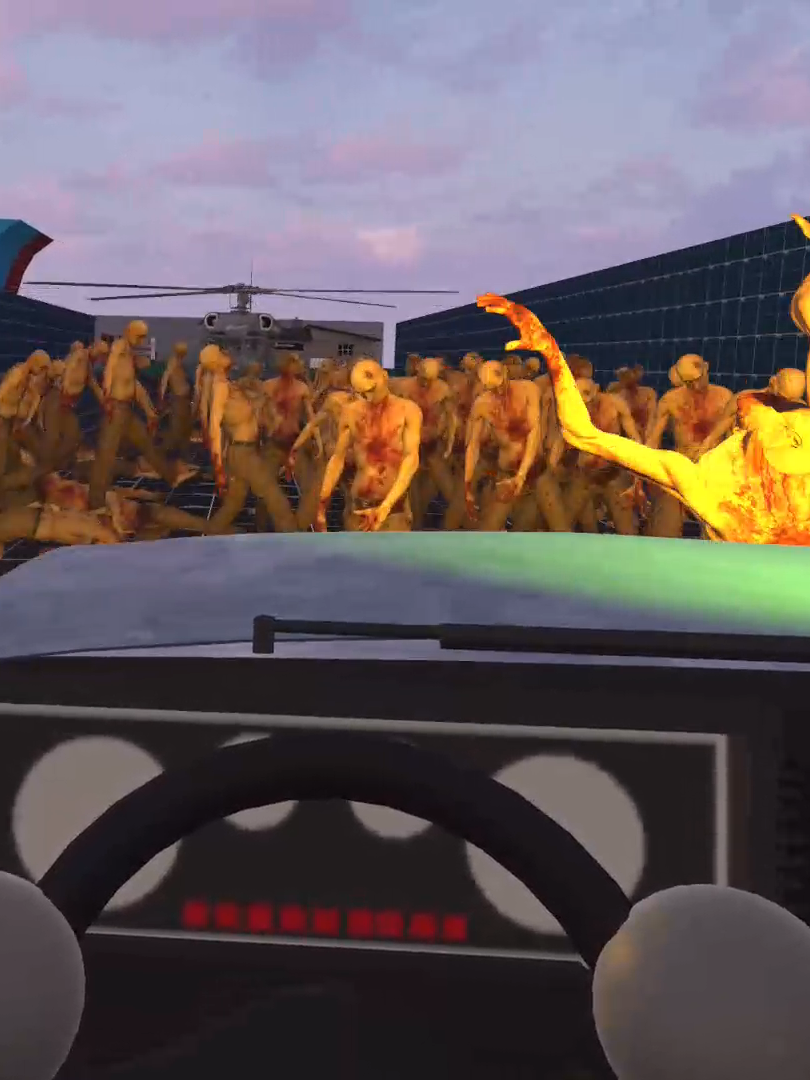
(January - May 2025)My final project for Cochise College's VRD 264 class integrated multiplayer, dynamic physics-based wood construction, physically accurate firearms, custom air & ground vehicles physics with proper VR controls, scene transitions, AI-controlled rigidbody NPCs, buoyancy physics, and more.
In order to allow players to cut and nail lumber to their liking, I needed to regenerate the meshes for pieces of wood every time they were cut. By applying the constraint that all lumber had to be rectangular, I could generate a mesh with proper UVs and colliders for every cut, permitting precise and satisfying construction in VR.
VRD 144
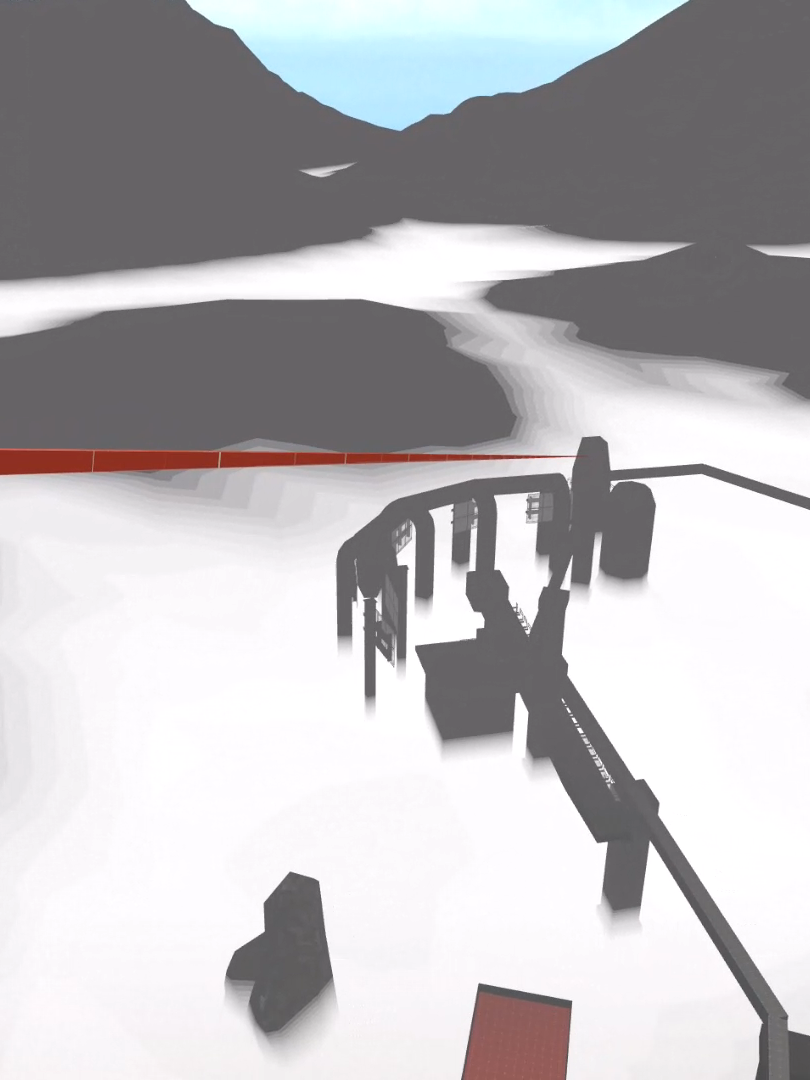
(August - December 2024)My final project for VRD 144 at Cochise College involved creating a completely physics-based VR movement rig that included double jumping, climbing, zipline & ice axe support, and wall running.
In order to demonstrate the capabilities of the rig, I created a test level in the style of The Beacon, a level from one of my favorite games, Titanfall 2. It includes a player-controllable with entirely physics-based controls, fully functional ice axes, wall running panels, and a crowbar you can use to climb, move objects, and ride on a zipline with.
Undead Logistics
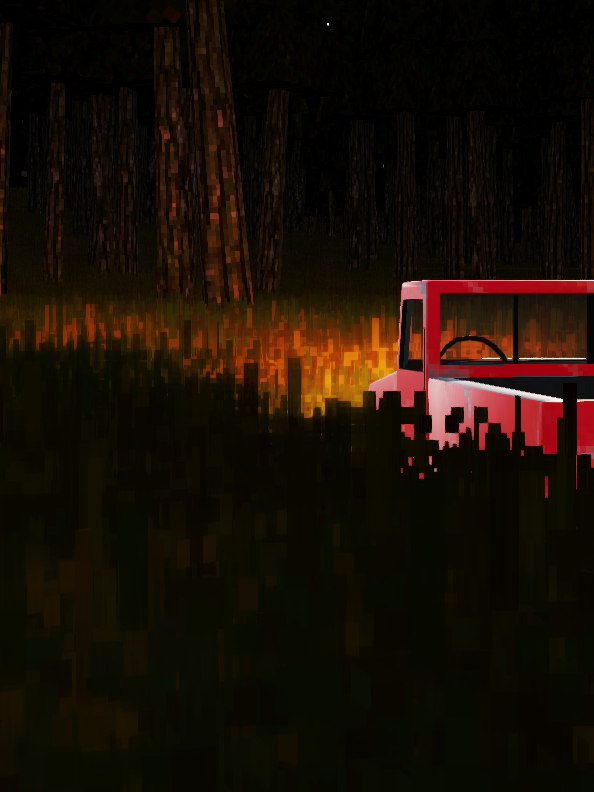
(2024 - Present)Undead Logistics is an under-development zombie survival game with trucking as a core tenet of its gameplay. I am the sole developer and artist on the project.
While working on Undead Logistics, I needed to develop a custom vehicle physics system in order to reach the level of fidelity I was aiming for with the trucks. I also fixed a major bug in Terrain3D which entirely prevented the creation of textures for a new terrain object.
Relay
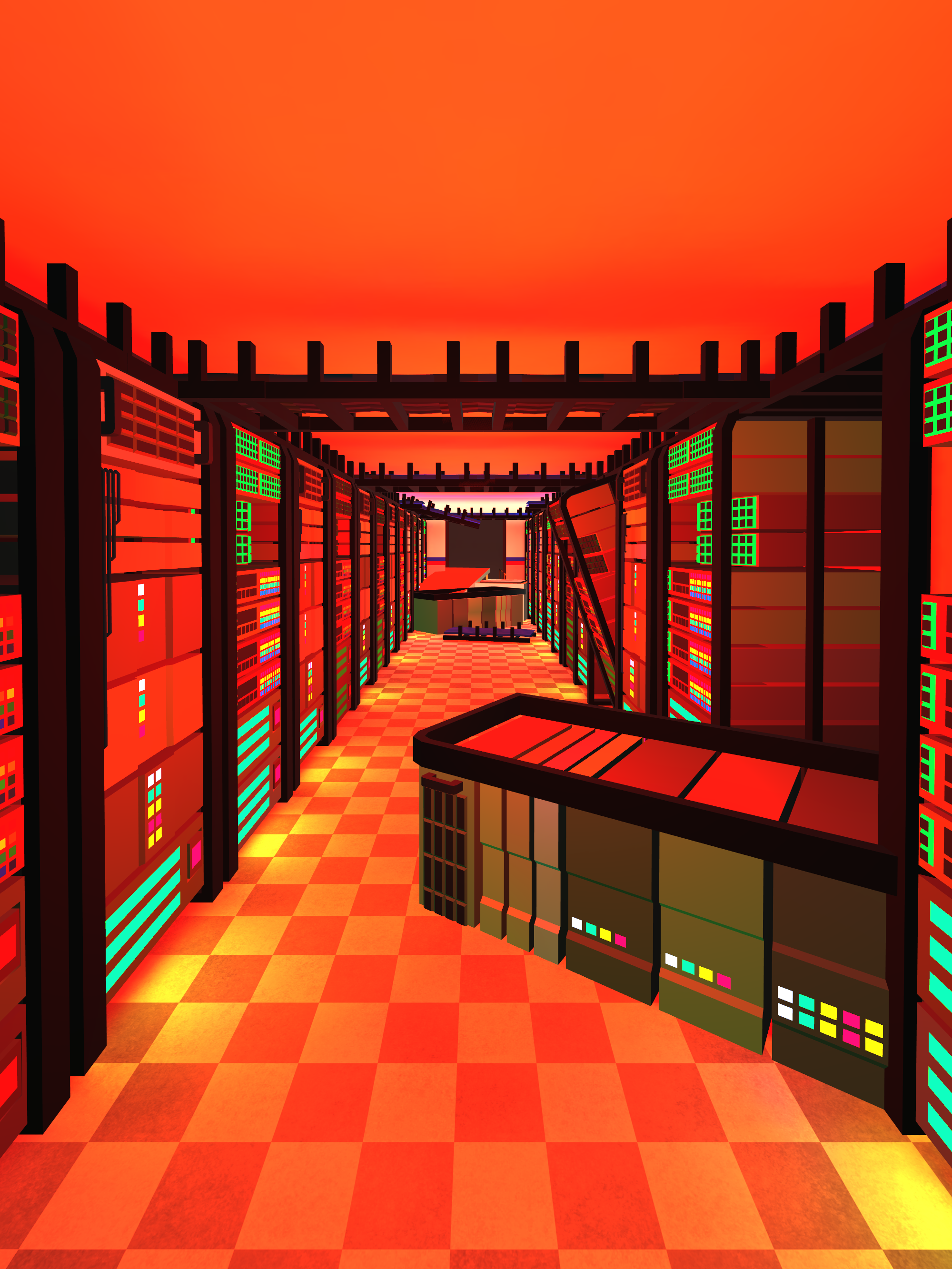
(2023 - 2024)Relay was an exploration story game set in the near future. It was centered around June Anderson, an engineer working at Leviathan Corporation's research facility Post Desolation. Your goal is to survive a disaster while working on The Relay Project, a research project aiming to achieve teleportation with world-wide reach.
One of the most difficult parts of Relay was making sure interactable objects and their state were persisted in save files without causing duplication or non-deterministic behavior when reloading. Relay has been superceded by other projects, but I would still like to ship it some day.
Compensation VR
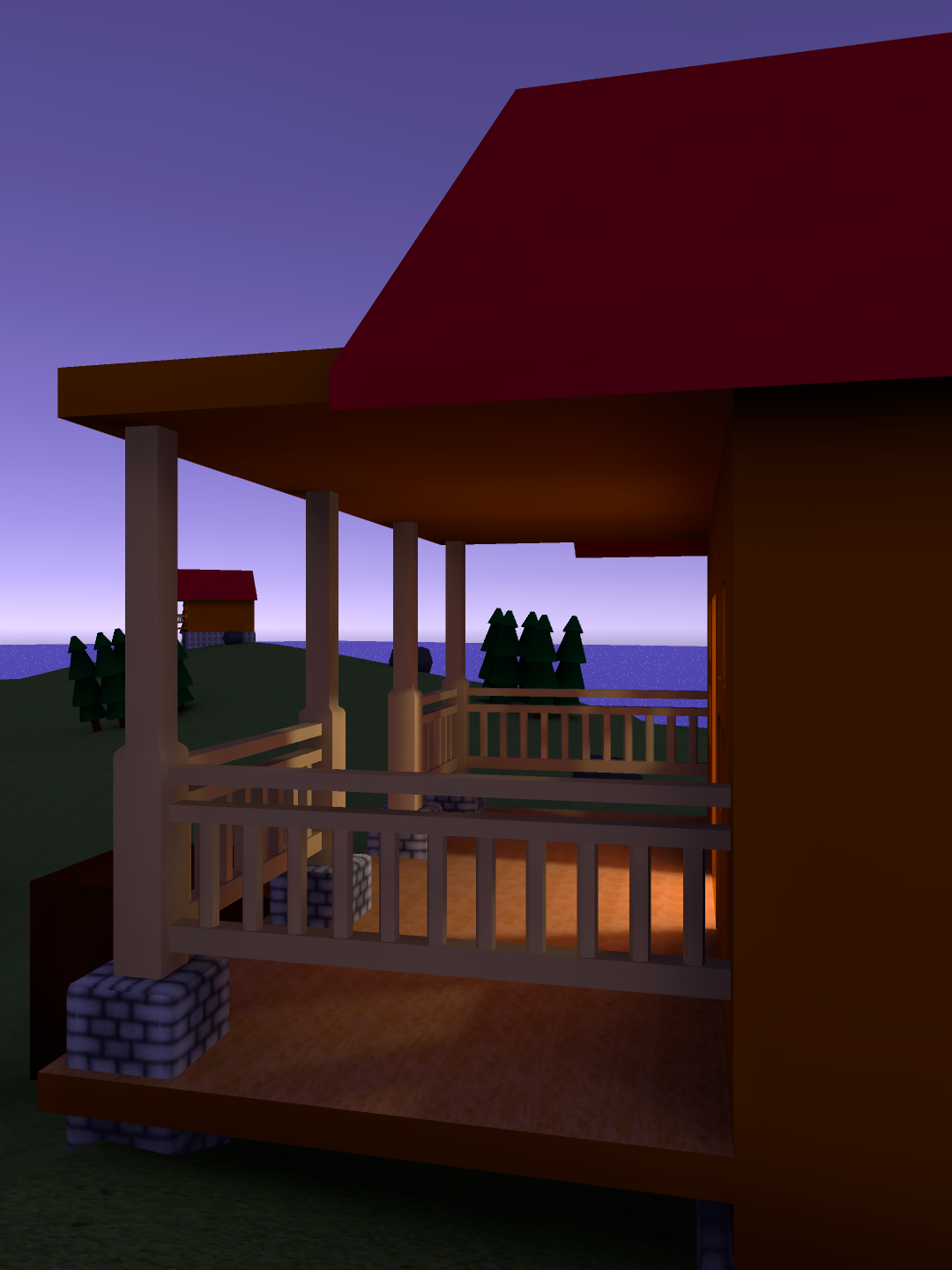
(2021 - 2023)Compensation VR (CVR) was a live-service multiplayer social game with a strong emphasis on UGC tooling and player freedom. I was the lead developer and head artist, as well as the system administrator. It was my first long-term gamedev project, and by far one of the projects I am most proud of looking back.
I began working on Compensation at around 13, along with one other developer around the same age. I am quite proud of how quickly we were able to put together a functional live-service multiplayer VR game. I was initially only planning to work on the art, but I used this opportunity to learn C# and Node.js early. I developed our entire backend server system and API, in addition to the 3D user interface system we used.
My crown achievement working on CVR was the suite of UGC creation tools I developed. We initially started CVR out of frustration with the VR game Rec Room (rest in peace, 1 June 2026). In particular, we were frustrated with the fact that the glass material in-game had to be placed as a separate prop, and not integrated into existing meshes. I also liked the idea of being able to create objects using boolean operations (e.g union, intersection, and subtraction). This led to me creating a full mesh editing system, starting from primitive shapes and allowing for extrusion, vertex manipulation, filling faces, and other operations. To my knowledge, CVR was the first implementation of this sort of functionality on standalone VR, let alone on Quest 1. I also wrote a custom parser for the Wavefront OBJ file format, allowing for external 3D models to be imported. CVR included support for transparent materials, custom textures, physics objects, customizable postprocessing, and many other features.
In early 2023, I was beginning my Associate's degree at 15, which meant a significant increase in my academic workload. I did not think I would be able to maintain the CVR servers going forward, so I instead developed a system that allowed players to host their own CVR servers and play on those. We shut down the CVR servers in 2023, following over 150 registered players and dozens of rooms being created. Despite it being my first game development project, I am still extremely proud of CVR to this day.